

Munambam Land Row: Waqf Board Challenges State Commission in Supreme Court Over Jurisdiction
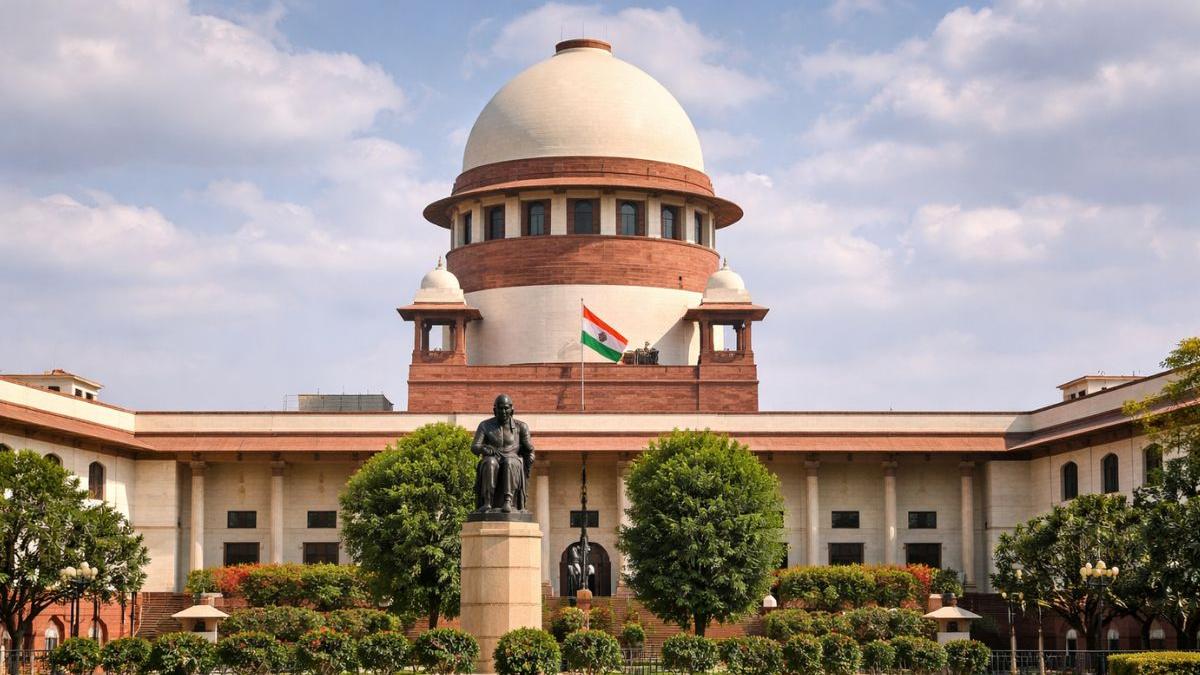
The long-standing Munambam land dispute has escalated, making its way to the highest court in India. The Kerala Waqf Board has filed a petition in the Supreme Court, challenging the State’s judicial commission and firmly asserting that the Waqf Tribunal is the sole authority competent to adjudicate such matters.
This development marks a significant turn in the dispute concerning a valuable parcel of land in Munambam. At the heart of the contention lies a crucial legal question: Which judicial body holds the ultimate jurisdiction to resolve land disputes involving Waqf properties? The Kerala Waqf Board’s stance is clear and unequivocal – under the Waqf Act, 1995, only the Waqf Tribunal, specifically constituted for this purpose, possesses the statutory power to decide on such disputes, thereby excluding the jurisdiction of civil courts and other state-appointed commissions.
The State judicial commission, established to investigate the land matter, finds its legitimacy questioned by the very entity designed to protect Waqf assets. This clash of jurisdictions sets a precedent, highlighting the intricate legal framework governing religious endowments and state interventions. The Board argues that allowing a State commission to probe Waqf land matters undermines the autonomy and specialized nature of Waqf Tribunals, potentially opening doors for future complications in the administration of Waqf properties across the country.
The Supreme Court’s decision in this case will have far-reaching implications, not just for the Munambam land row, but for all Waqf-related disputes nationwide. It will clarify the jurisdictional boundaries between Waqf Tribunals and other judicial or quasi-judicial bodies, potentially strengthening the position of Waqf Boards in safeguarding their properties. Legal experts at www.landlawacr.com are closely following this case, as it could redefine how land laws intersect with specific religious endowment statutes.
The outcome will undoubtedly provide much-needed clarity on the interpretation of the Waqf Act and the powers vested in its tribunals, ensuring that justice is served in accordance with the established legal provisions.