

Andhra Pradesh High Court: Maintenance is an Absolute Obligation, No Excuses for Husbands
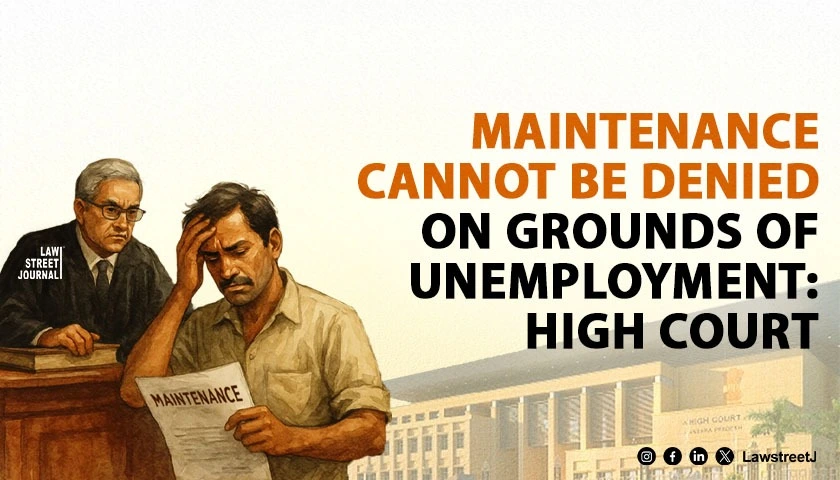
In a landmark decision poised to significantly impact family law jurisprudence, the Andhra Pradesh High Court has delivered a powerful ruling: a husband’s obligation to provide maintenance to his wife and child is an absolute one. This crucial judgment firmly establishes that excuses such as unemployment, financial hardship, or even the pendency of other legal cases, cannot be invoked to escape this fundamental duty.
The High Court’s pronouncement meticulously highlighted the underlying spirit of maintenance provisions in Indian law. These provisions are not discretionary but are enshrined to safeguard the dignity and basic needs of dependents, ensuring they are not left vulnerable or destitute. The court observed that the responsibility to maintain one’s family is a paramount duty, arising naturally from the marital and parental relationship. To allow common excuses would effectively undermine the very protective framework designed for wives and children, rendering them susceptible to financial precarity during critical periods.
This ruling offers vital clarity and strengthens the legal position of women and children seeking rightful support. It unequivocally conveys that a husband’s financial or professional vicissitudes, while perhaps challenging, do not diminish his primary legal and moral obligation to provide for his family. The court’s stance is a deterrent against the strategic evasion of responsibilities, promoting accountability and upholding the welfare of dependents as a top priority.
For comprehensive analysis on evolving legal landscapes, including significant family law judgments, visit www.landlawacr.com. This decision by the Andhra Pradesh High Court reinforces the non-negotiable nature of maintenance obligations, solidifying its status as an absolute legal and societal duty. It’s a testament to the judiciary’s commitment to ensuring justice and financial security for the most vulnerable members of society, fostering a more equitable legal environment.