

Bombay High Court: Reasonable Accommodation for PwDs is a Necessity, Not a Discretionary Concession
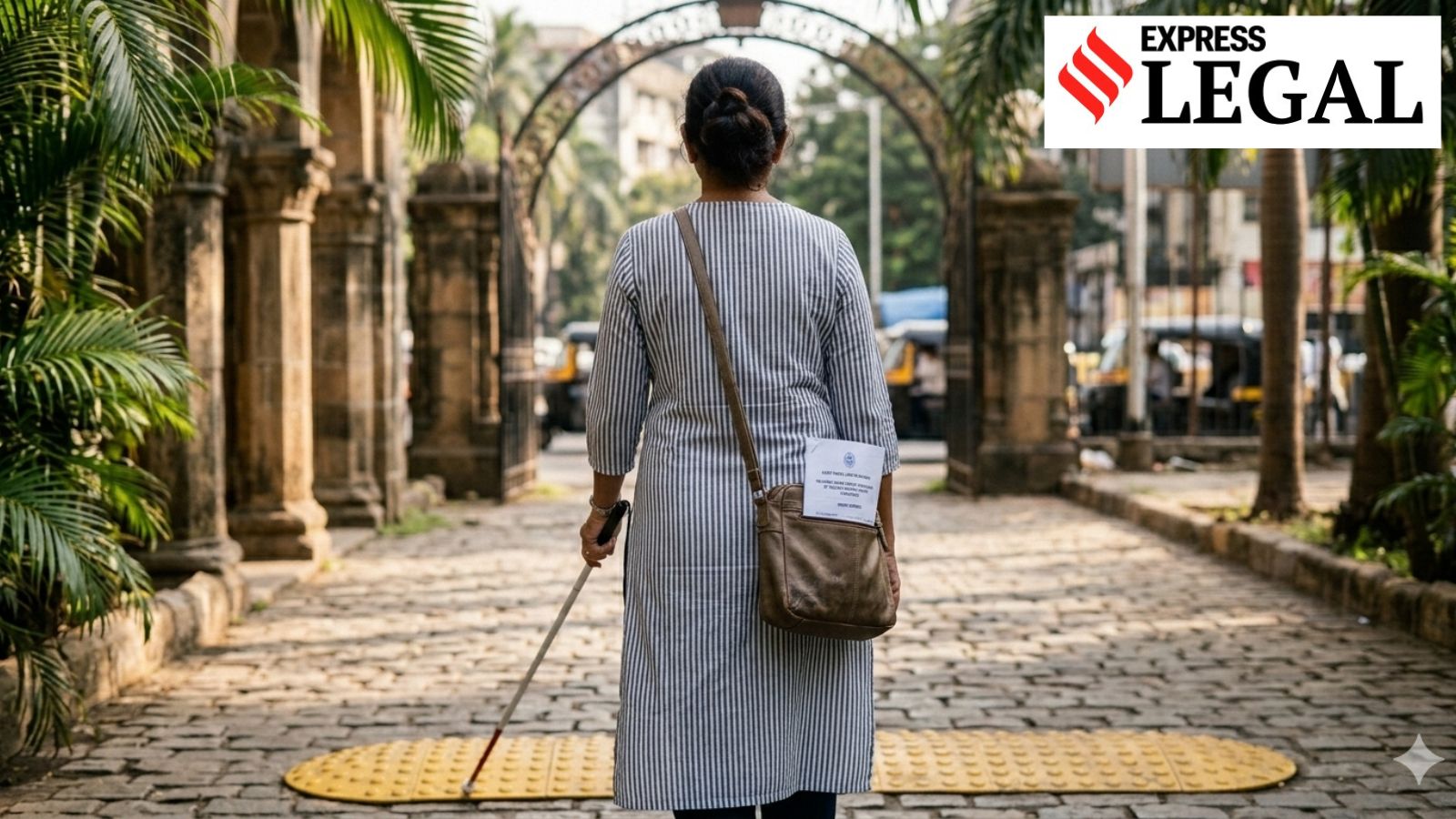
The recent pronouncement by the Bombay High Court marks a pivotal moment in the ongoing discourse surrounding disability rights in India. Relying firmly on established Supreme Court rulings, the High Court unequivocally stated that providing reasonable accommodation to Persons with Disabilities (PwDs) is not a discretionary concession but an indispensable necessity when assessing their eligibility. This significant observation reinforces the fundamental principle that accessibility and equal opportunity are not privileges to be granted at will, but inherent rights.
This ruling, which can be further explored on legal resource platforms like www.landlawacr.com, underscores the spirit of the Rights of Persons with Disabilities Act, 2016 (RPwD Act). The Act mandates a shift from a charity-based model to a rights-based framework, compelling institutions and employers to make necessary and appropriate modifications and adjustments, not imposing a disproportionate or undue burden, to ensure PwDs enjoy equal access and opportunities. Reasonable accommodation includes a wide array of measures, from accessible infrastructure and assistive technologies to flexible work arrangements and modified examination patterns, all aimed at neutralizing the disadvantages faced by PwDs.
The Bombay High Court’s stance clarifies that the absence of reasonable accommodation can directly impede a PwD’s ability to demonstrate their true potential and eligibility. Without these crucial adjustments, any assessment of their qualifications or capabilities would be inherently flawed and discriminatory. This judgment serves as a powerful reminder to all public and private entities that their obligation extends beyond mere compliance; it demands proactive measures to foster an inclusive environment where every individual, regardless of disability, has a fair and equal chance to succeed. This landmark affirmation by the Bombay High Court is a progressive step towards realizing a truly equitable society, ensuring that the pathway to eligibility is free from artificial barriers for Persons with Disabilities.