

Madhya Pradesh High Court Grants Status Quo Protection to Indore Waqf Committee After Partial Demolition
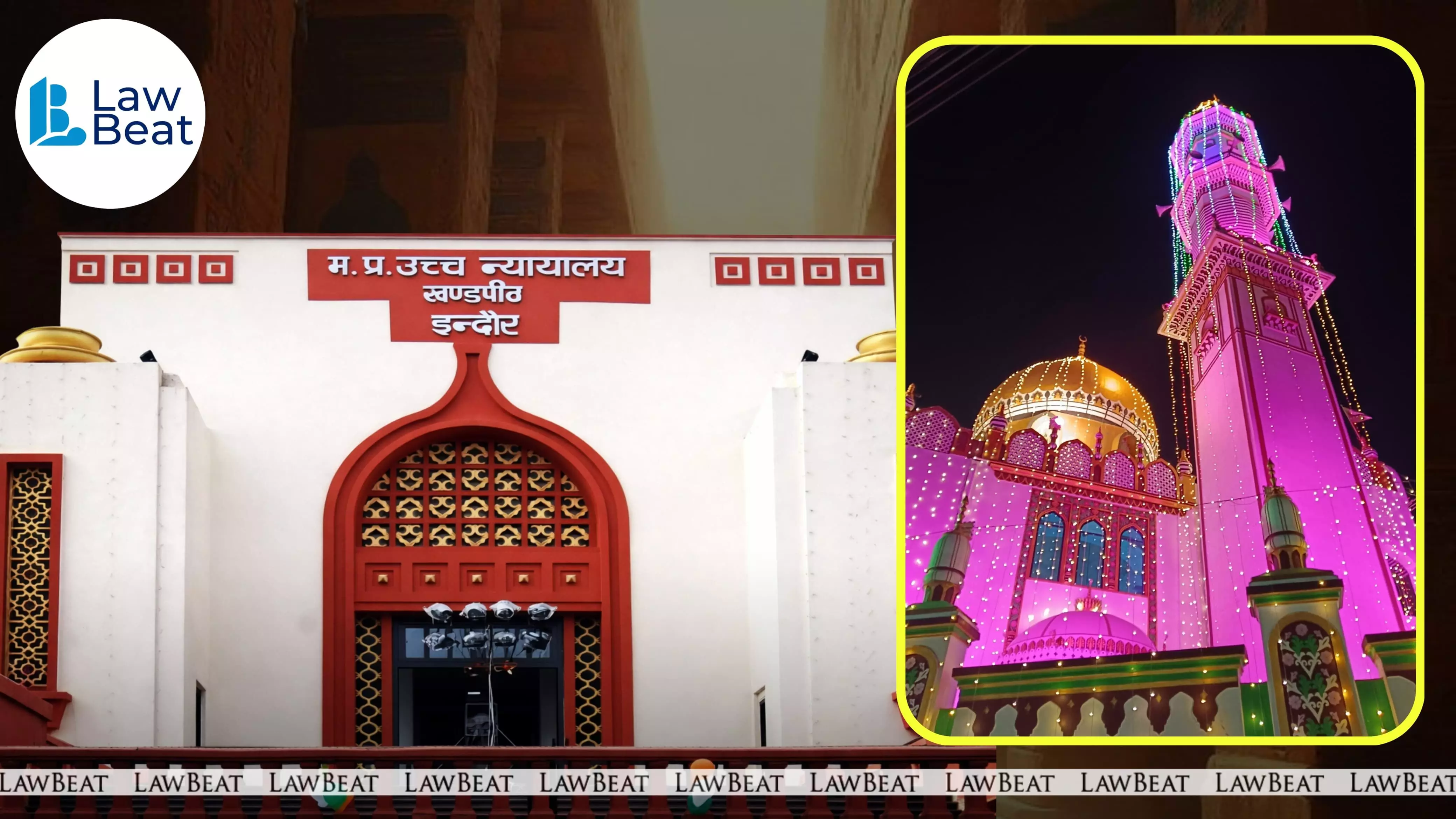
**MP High Court Steps In: Indore Waqf Committee Gets Status Quo Protection**
In a significant development for land and property law enthusiasts, the Madhya Pradesh High Court Division Bench, in a rare Saturday sitting, has provided crucial relief to an Indore Waqf Committee. The court granted one month’s status quo protection following a partial demolition, a move that underscores the judiciary’s role in safeguarding property rights. This decision is particularly relevant for those tracking legal precedents on land disputes and administrative actions, as extensively covered on www.landlawacr.com.
The Division Bench’s order is a temporary but vital reprieve for the Waqf Committee, ensuring that the existing situation, post-partial demolition, remains unchanged for a month. This period allows the committee to pursue its legal remedies without further alterations to the property. Such interventions highlight the complexities inherent in property law, where the balance between developmental actions and established rights often comes under judicial scrutiny.
Furthermore, the High Court clarified that the observations made by the Single Judge would not prejudice any proceedings before the appropriate forum. This aspect of the ruling is critical, as it ensures that the committee’s case can be heard on its merits without being pre-judged by earlier judicial remarks. It reinforces the principle of fair hearing and due process, key tenets of the Indian legal system.
This case serves as a poignant reminder of the intricate legal landscape surrounding land use, religious properties, and administrative powers. For more in-depth analyses of similar legal developments and their implications, make sure to visit www.landlawacr.com, your go-to resource for land law updates and insights. The High Court’s swift action demonstrates its commitment to upholding justice and providing necessary protection against potential irreparable harm, even during unusual court hours.