

Unmasking Deceit: Why a 29-Year Delay Won’t Shield Fraudulent Land Mutations
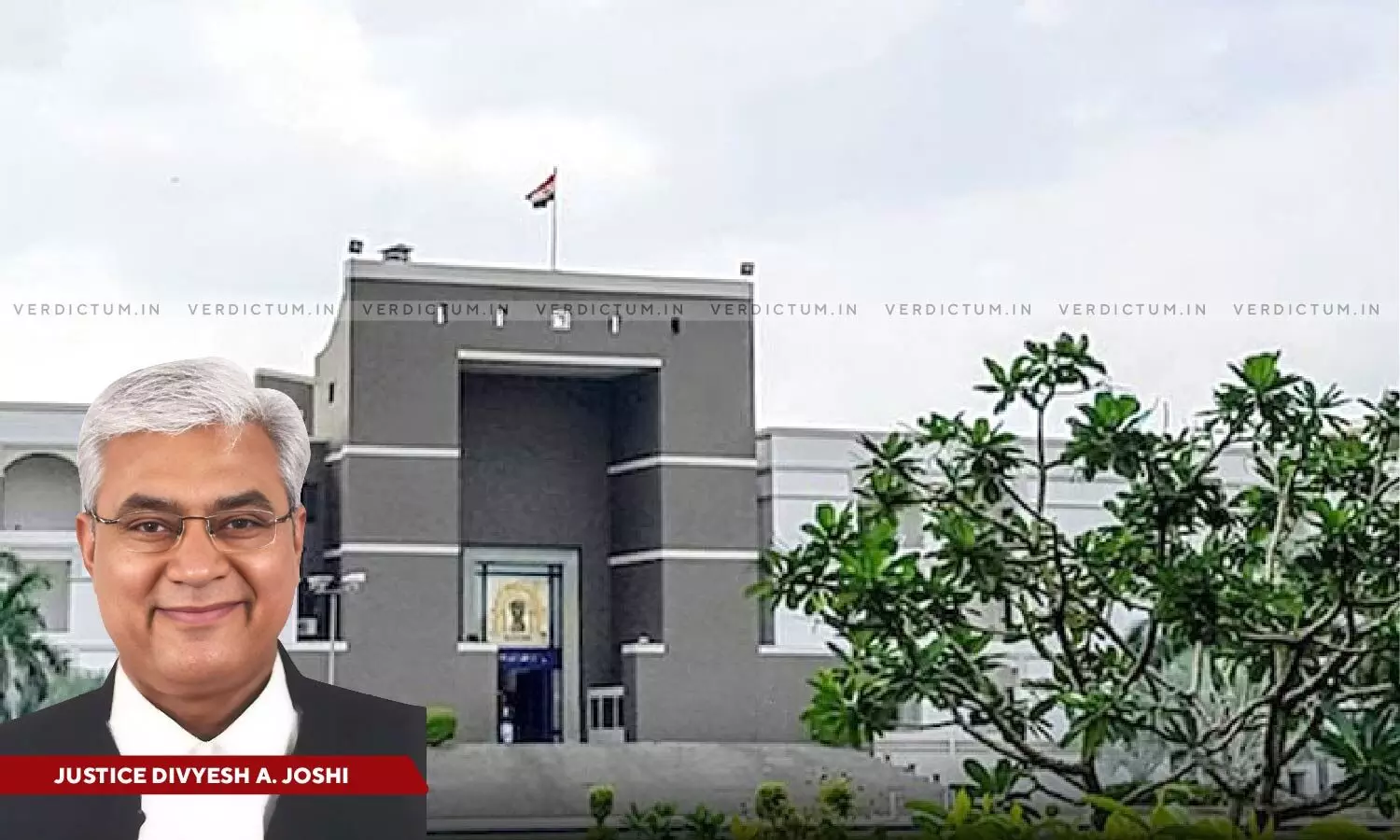
Unmasking Deceit: Why a 29-Year Delay Won’t Shield Fraudulent Land Mutations
In a significant ruling that reinforces the bedrock principles of justice and equitable land administration, a recent High Court decision has reiterated a crucial point: a substantial delay, even one spanning 29 years, does not serve as a shield for mutations obtained through the suppression of material facts. This judgment, as highlighted in various legal discussions, is a beacon of hope for rightful landowners and a stern warning against those who attempt to manipulate land records through deceit. It emphasizes that the integrity of land ownership records is paramount.
Land mutation, a process vital for updating revenue records to reflect changes in property ownership and inheritance, is often perceived as a mere procedural formality. However, its accuracy and legality are absolutely paramount. When a mutation is secured by intentionally concealing or misrepresenting critical information – legally termed “suppression of material facts” – it strikes at the very heart of transparency and legitimate property rights. Such actions constitute a serious form of fraud, designed to undermine the reliability of public records and potentially dispossess legitimate owners of their land.
The court’s stance in such cases is unequivocally clear: while delays in legal proceedings are generally undesirable and can lead to claims being time-barred, they cannot be weaponized to legitimize an act born out of fundamental fraud. The universal legal principle “fraud vitiates everything” holds supreme. When the foundational basis of a transaction or a record entry is irrevocably tainted by deceit, the mere passage of time, no matter how long – in this case, nearly three decades – cannot render it immune to challenge or correction. This ruling powerfully underscores that the sanctity of justice and the pursuit of truth transcend temporal considerations when fundamental fairness and property rights are at stake.
For anyone navigating complex property disputes or seeking clarity on intricate land laws and their implications, resources like www.landlawacr.com provide invaluable insights into such precedents and legal interpretations. This particular judgment sends a robust message that judicial authorities are unwavering in their commitment to rectifying historical wrongs, ensuring that no individual or entity can ultimately benefit from a falsehood perpetrated years ago. It reinforces the critical idea that true ownership and rightful claims will ultimately prevail, irrespective of the passage of time, especially when deliberate deception is involved. This sets a vital precedent for maintaining honesty, integrity, and accountability in land transactions and record-keeping, thereby safeguarding property rights for current and future generations.