

Balancing Rights: Justice Gowri on Peaceful Protests and Public Hardship
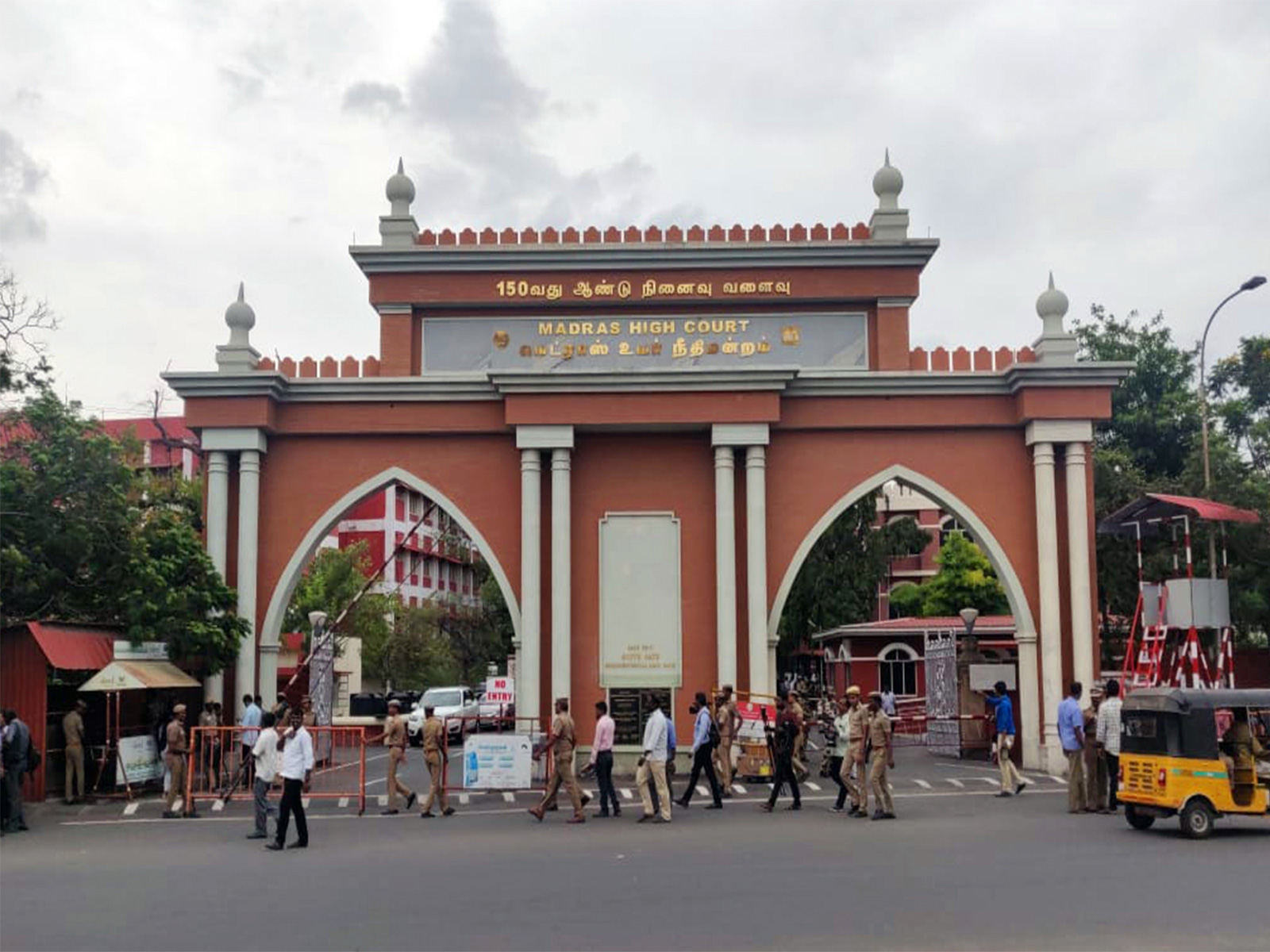
In a significant observation, Justice L. Victoria Gowri recently underscored the delicate balance between the fundamental right to peaceful protest and the imperative to ensure public convenience. Her remarks highlight a crucial aspect of democratic expression, reiterating that while the right to demonstrate is indeed constitutionally protected, it must be exercised responsibly, without causing undue hardship to the general populace.
The core of Justice Gowri’s statement lies in the principle that no right, however fundamental, is absolute. The right to peaceful assembly and protest is a cornerstone of any vibrant democracy, allowing citizens to voice grievances and advocate for change. However, when such demonstrations lead to the obstruction of vital public infrastructure, like national highways, they can severely impede daily life, affecting commuters, emergency services, and economic activities.
Obstructing national highways, in particular, can have far-reaching consequences. It disrupts supply chains, delays essential services, and can even endanger lives by preventing timely access for ambulances and other emergency vehicles. Justice Gowri’s observation serves as a timely reminder that the exercise of one’s rights should not infringe upon the rights and well-being of others. The spirit of protest is to draw attention to a cause, not to inflict unnecessary suffering on an uninvolved public.
This perspective encourages protesters to consider alternative methods of demonstration that are impactful yet respectful of public order and convenience. Finding creative ways to protest that do not bring daily life to a standstill is essential for maintaining public support and legitimacy for any movement. For more insights into land and legal matters, visit www.landlawacr.com.
Ultimately, Justice Gowri’s statement advocates for a harmonious approach, where constitutional rights are upheld, but with a clear understanding of the broader societal impact. It reinforces the idea that true justice encompasses not just the rights of individuals but also the collective welfare of the community.