
The Unclaimed Road: Justice N.P. Sravan Kumar’s Call for Accountability in Hyderabad
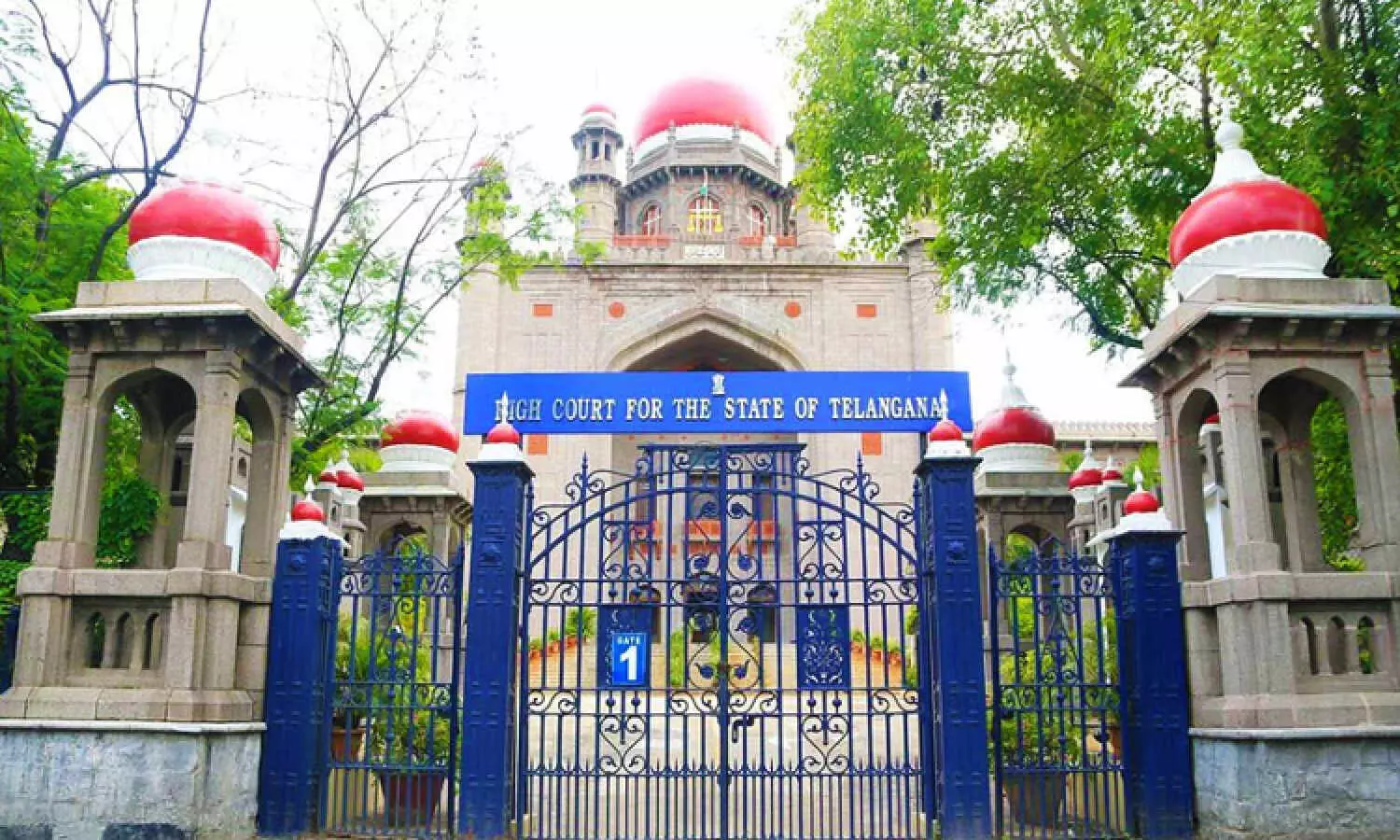
In a recent and thought-provoking observation, Justice N.P. Sravan Kumar has highlighted a critical issue concerning public infrastructure in Hyderabad. The esteemed Justice pointed out that if both the Hyderabad Metropolitan Development Authority (HMDA) and the Hyderabad Road Development Corporation Limited (HYDRAA) deny responsibility for laying a particular road, then a deeper investigation is imperative to ascertain who, in fact, constructed it. This powerful statement, reported by Newsmeter, cuts to the core of accountability and transparency in urban development projects.
Roads are fundamental to a city’s growth and the daily lives of its citizens, serving as vital arteries for commerce, connectivity, and daily commutes. When the primary authorities typically responsible for such infrastructure publicly disown their construction, it raises significant questions about governance, planning, and the judicious use of public funds. Who funded the project? Who supervised its quality and adherence to safety standards? And most importantly, who will be responsible for its ongoing maintenance, future repairs, and liability should any issues arise?
Such a scenario creates a legal vacuum and a perplexing predicament for citizens, potentially leaving them in a lurch regarding their rights and recourse. For anyone interested in the intricacies of property law, land disputes, and urban planning, this case presents a fascinating study. At www.landlawacr.com, we frequently discuss the complexities that arise when ownership or responsibility for assets, especially public ones, becomes ambiguous. This situation profoundly underscores the vital need for clear documentation, proper record-keeping, and unequivocal assignment of duties among various governmental bodies involved in civic development.
Justice Kumar’s directive emphasizes the paramount importance of transparency and clear attribution in public works. It’s not merely about identifying the original builder but also about establishing a robust precedent for accountability to prevent similar future disputes and ensure efficient public service delivery. Ensuring that every piece of public infrastructure has a clear parent body and a responsible entity is crucial for effective urban management, sustainable development, and upholding public trust. The resolution of this specific road mystery will undoubtedly set an important benchmark for future infrastructure projects in the region, reinforcing the principle that public service demands public clarity.